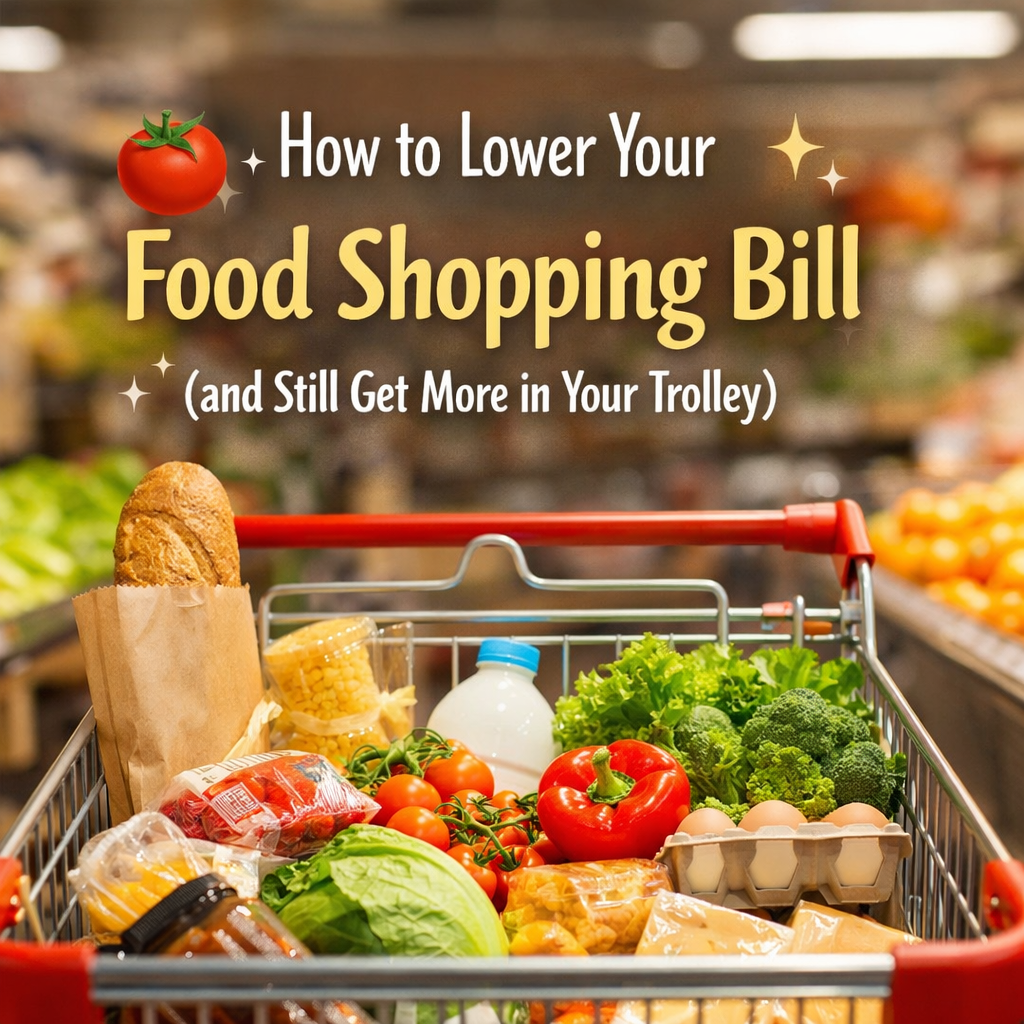
How to Lower Your Food Shopping Bill (and Still Get More in Your Trolley)
Hey LifeStyler,
Food shopping can feel like a shock to the system lately. Prices creep up, quick top-ups turn into £40 spends, and suddenly the weekly shop doesn’t stretch nearly as far as it used to. The good news? You don’t need extreme budgeting or cutting out everything you enjoy to lower your food bill. With a few smart shifts, you can actually get more in your trolley for less money.
Here’s how to shop smarter, not smaller.
Plan Around Meals, Not Cravings
Walking into a supermarket without a plan is one of the fastest ways to overspend. Instead of deciding what looks good in the moment, plan 4–6 simple meals for the week and build your shop around them. Choose meals that share ingredients (like peppers, onions or chicken) so nothing goes to waste. The result? Fewer impulse buys and more meals from the same shop.
Shop Your Cupboards First
Before you even think about a shopping list, check your fridge, freezer and cupboards. You’ll often find half-used pasta, frozen veg or tins you forgot about.
Building meals around what you already own instantly reduces how much you need to buy and stops duplicate purchases sneaking into your basket.
Own-Brand Is Your Secret Weapon
Supermarket own-brand products are often made in the same factories as big-name items, just without the fancy packaging. From pasta and rice to sauces, dairy and cleaning products, swapping branded for own-brand can shave pounds off your total without sacrificing quality. A small switch per item adds up fast across a full shop.
Buy Bigger (When It Makes Sense)
Larger packs usually work out cheaper per portion. If you’ve got freezer space, stock up on meat, bread and frozen meals you know you’ll use. Frozen fruit and veg are especially budget-friendly, last longer and reduce food waste meaning more value in every shop.
Don’t Shop Hungry (Seriously)
It sounds simple, but it works. Shopping while hungry makes everything look essential and suddenly snacks, treats and extras pile up. Eat before you go and you’ll stick to your list, making calmer, more intentional choices.
Use Loyalty Schemes and Price Comparisons
Most supermarkets reward loyalty now, whether through points, member-only prices or personalised discounts. Make sure you’re scanning your card or app every time you go and also check that the loyalty scheme is actually personally being loyal to you and your choices and preferences (There's nothing worse than getting no offers relevant to your buying habits). It’s also worth checking price-per-100g labels rather than overall prices this is where the real savings hide.
Build Stretch Meals Into Your Week
Meals like soups, pasta bakes, stir-fries and slow cooker dishes are budget heroes. They’re filling, flexible and can often stretch into leftovers for lunch the next day. One well-planned dish can easily cover two meals, reducing how often you need to shop.
Treat the Reduced Section as a Bonus, Not a Plan
Yellow-sticker finds are great but they shouldn’t drive your whole shop. Think of them as extras you can freeze or use that day, rather than relying on them for full meals. Used wisely, they add value without causing waste.
Keep a Go-To Budget List
Create a list of low-cost staples you can rely on every week things like eggs, potatoes, pasta, tinned tomatoes, oats and frozen veg. These items form the backbone of cheap, filling meals and help you feel like you’re getting a lot for your money.
Track One Shop a Month
You don’t need to track every receipt, but looking at one shop per month can be eye-opening. Spot patterns like frequent snacks, duplicates, price changes or convenience foods and adjust next time. Awareness alone often leads to instant savings.
Lowering your food shopping bill isn’t about deprivation it’s about intention. When you plan smarter, shop calmer and make small swaps, your trolley looks fuller, your meals last longer and your bank balance breathes a little easier.
More food, less stress, and money left over for the things that really matter.
With Love,
Want More Lifestyle Straight To Your Inbox?
Thank you for subscribing!
Have a great day!
